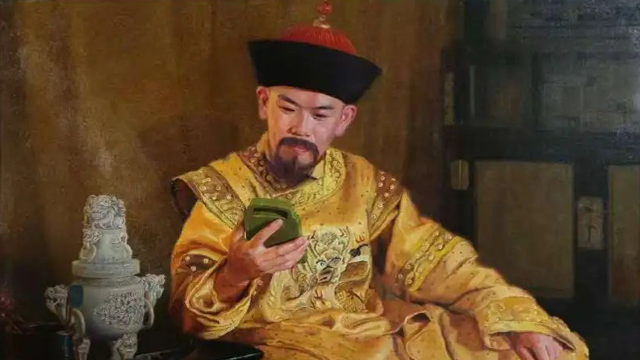
Recently, Mr. Wang Qijun, an expert consultant of Chinjou painting materials and a professor at the Central Academy of Fine Arts, donated a carefully replicated oil painting "Kangxi Appreciation of Inkstone" to Chinjou Art Museum, continuing to write a new chapter in cultural inheritance in the name of art.
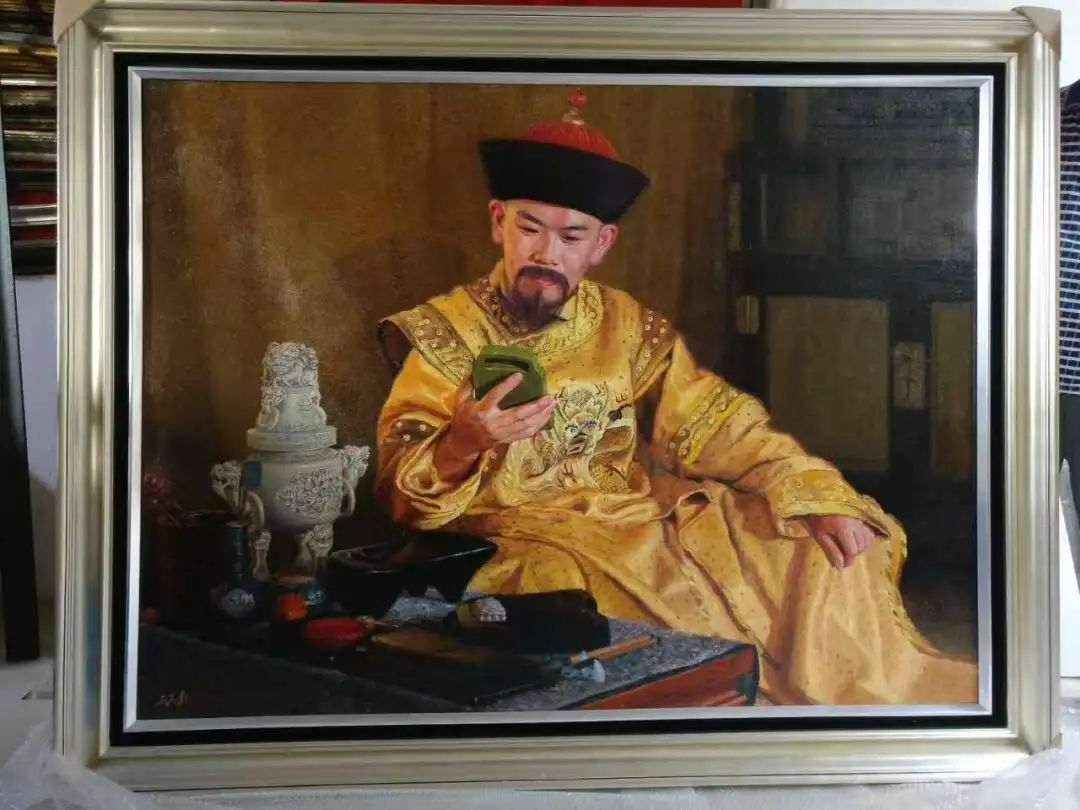
This donation not only injects profound historical heritage into the Chinjou art collection, but also demonstrates the responsibility of artists and enterprises in promoting art popularization and safeguarding traditional culture.
Using Pen as a Medium: Artistic Dialogue Across Time and Space
The key to Professor Wang Qijun's creation of the oil painting "Kangxi Appreciation of Inkstones" is to understand the image of Kangxi. The name of Emperor Kangxi was Aisin Gioro Xuanye (May 4, 1654- December 20, 1722), also known as Emperor Shengzu of the Qing Dynasty (reigned 1661-1722). He was the fourth emperor of the Qing Dynasty and the second emperor after the capital was established in Beijing. Year name Kangxi.
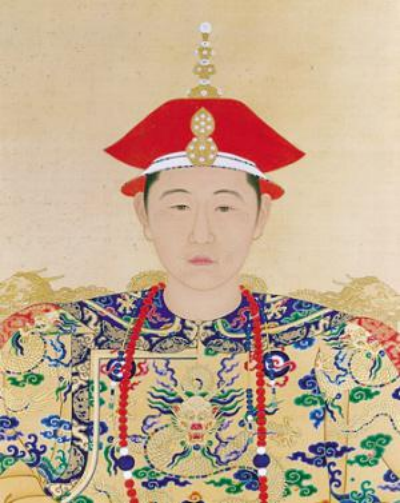
Portrait of the Young Emperor Kangxi in the Courtroom
Emperor Kangxi ascended to the throne at the age of 8 and took office at the age of 14. He reigned for 62 years, making him the longest reigning emperor in Chinese history. Emperor Kangxi was the defender of a unified multi-ethnic country, laying the foundation for the prosperity of the Qing Dynasty and creating the overall picture of the Kangxi Qianlong era. Some scholars revered him as the "eternal emperor". The Palace Museum in Beijing has the largest and most diverse collection of portraits of Emperor Kangxi. This includes "Emperor Kangxi, the Holy Ancestor", "Young Kangxi Goes Hunting", "Portrait of Kangxi at the Age of 40", "Portrait of Kangxi Reading at the Age of 45", "Portrait of Kangxi in Military Dress", and so on. The portrait paintings of Emperor Kangxi were somewhat influenced by Western painting, and the creation of portrait paintings of emperors and empresses during the Kangxi period was both a transitional period and a formative period for Qing dynasty palace portrait paintings.
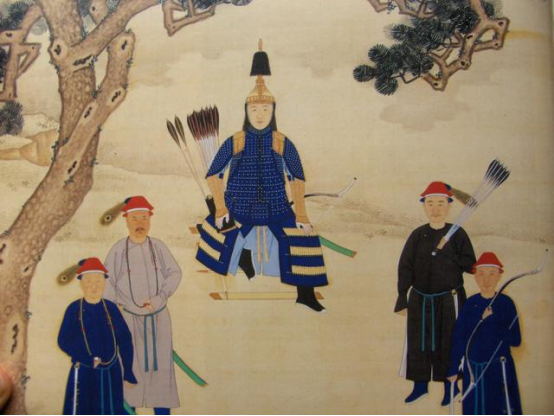
Young Kangxi's Hunting Tour
Due to the fact that many emperors of the Ming (1368-1644) and Qing (1644-1911) dynasties had their own painters, there is a high degree of credibility in terms of their imagery. Before creating, Mr. Wang Qijun carefully analyzed the portraits of the 12 emperors of the Qing Dynasty. The first three, Nurhaci, Huang Taiji, and Shunzhi, all had square faces, but after Kangxi, they became pointed faces with triangular eyes and drooping ends.
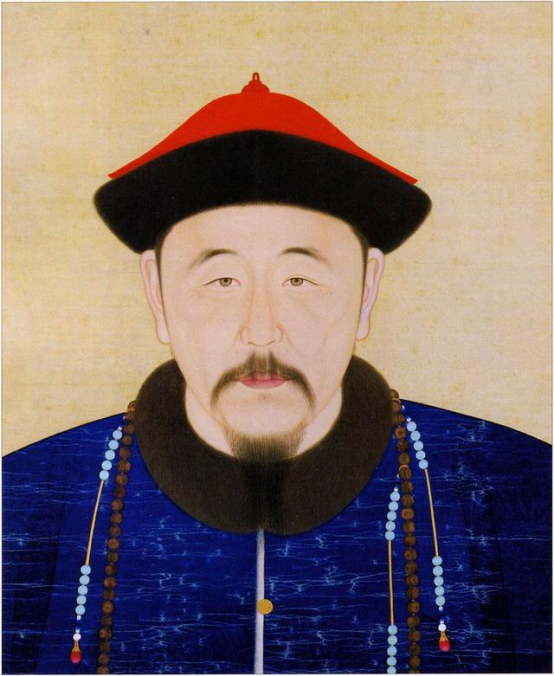
40 year old Emperor Kangxi
There is an article online that resurrects the portrait of Emperor Kangxi from over 300 years ago on a computer. Due to the inability to find the remains of Kangxi, we had to rely on multiple secret palace portraits of Kangxi and use special computer software for restoration, which also provided inspiration for Wang Qijun's creative work.
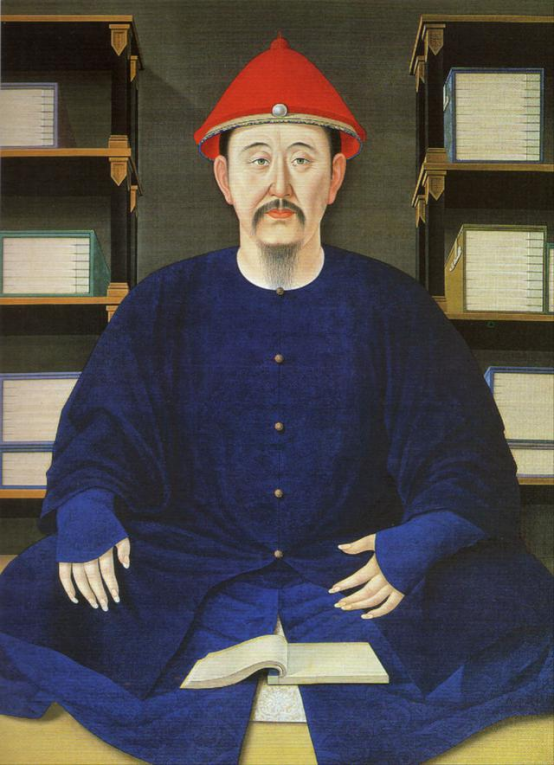
45 Year Old Kangxi Emperor Reading Statue
There is a portrait of Kangxi in plain clothes, in which Emperor Kangxi is dressed in plain clothes, lightly pressing the rice paper lying on a square table with his left hand, and holding a pen in his right hand to practice writing. The ink dragon on the screen behind him suggests the noble status of a king. The square table drawn using traditional Chinese perspective techniques and the screen stand drawn using European focal perspective create an irreconcilable contradiction in the painting. From this, it can be inferred that this work was painted in the early period when European painting styles influenced China. It was created by a court painter who had studied Western painting techniques but did not fully understand their perspective principles. Although there are inconsistencies in this painting, it is still a useful reference for the background environment of the creation of the "Kangxi Appreciation Inkstone Painting". This portrait painting has been exhibited at the Wu Ying Hall Calligraphy and Painting Museum of the Forbidden City in Beijing, and later exhibited in Taiwan. The environment of another painting, "Kangxi Reading Portrait," is portrayed very clearly. The background material of "Kangxi Appreciating Inkstones" is Professor Wang Qijun's artistic creation based on the indoor environment similar to "Kangxi Reading Portrait," which he found in the South Lake Island of the Summer Palace.
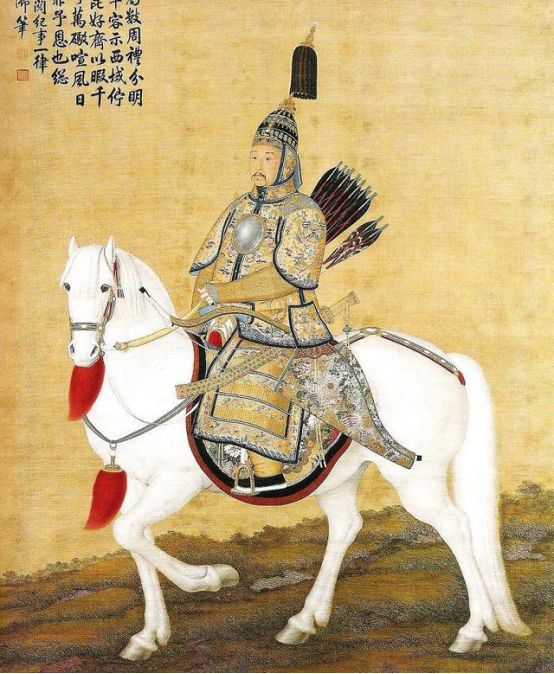
Kangxi Military Costume Statue
Chinjou Art Museum: A Multidimensional Art Space Born for Painters
Chinjou Art Museum has always been committed to creating an open, shared, and interactive artist ecosystem: the museum not only displays art treasures, but also provides a stage for artists to showcase their creations and collide their ideas through thematic exhibitions, academic salons, cross-border collaborations, and other forms.
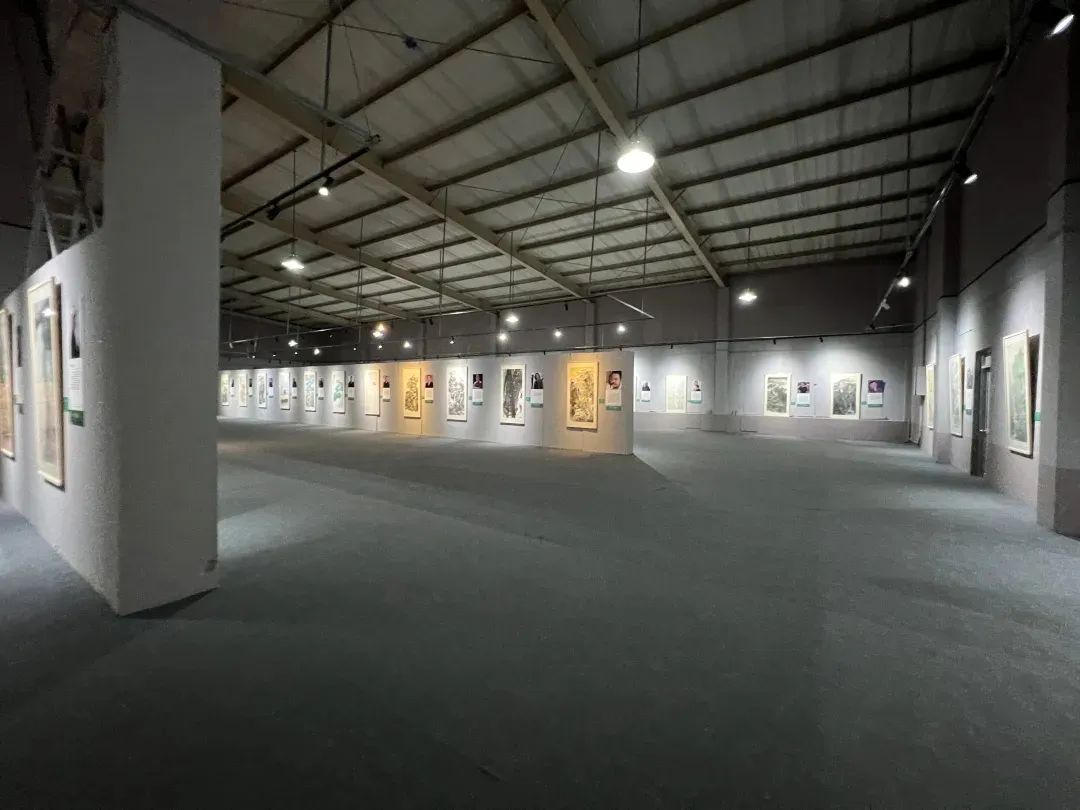
As the "Kangxi Appreciation of Inkstones" unfolds slowly in the exhibition hall of Qingzhu Art Museum, the audience witnesses not only the rebirth of a painting, but also how an art museum uses the power of a platform to elevate art from individual creation to collective empathy.
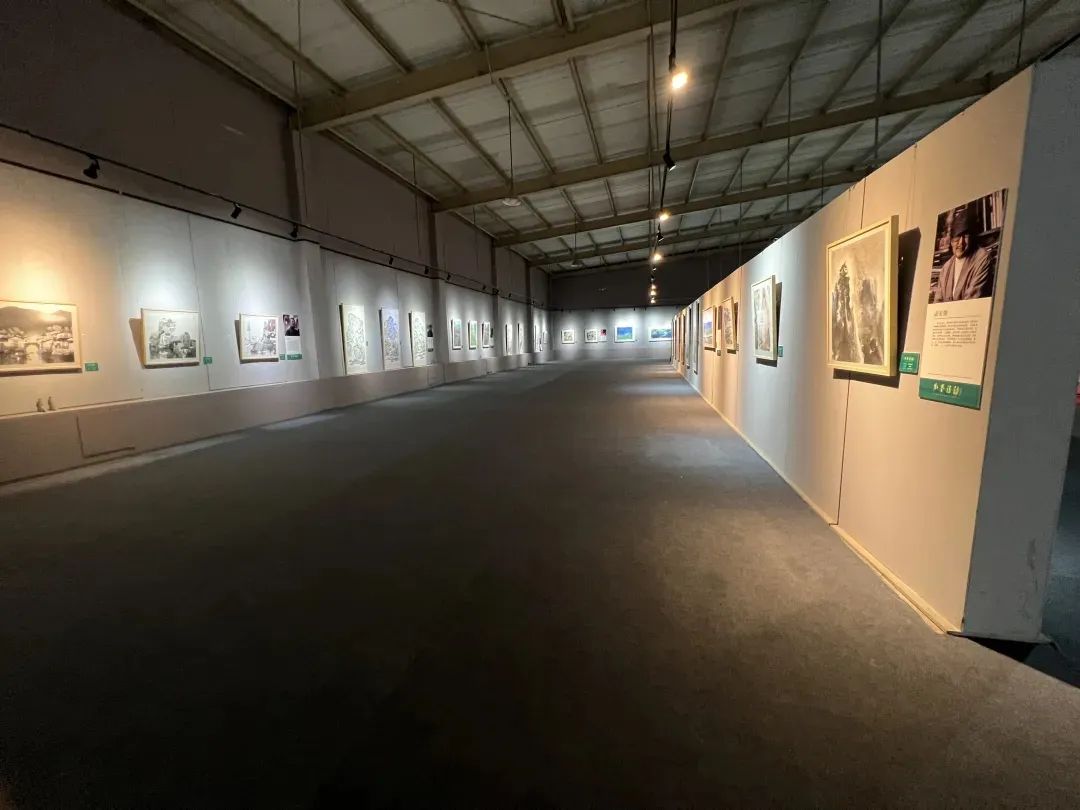
In the future, Chinjou Art Museum will take the "Chinjou Cup" program as its core, invite more artists to participate, and rely on Chinjou's research and development resources to provide full chain services from material support to exhibition planning. Chinjou Painting Materials Company hopes that this place will become an experimental field for artists to explore cultural roots, allowing every creative idea to find the soil to take root and sprout.