The Canadian Group of Seven, also known as the Group of Seven, was an important art group formed in the Canadian art community in the 1920s. They use unique visual images to express Canada's identity and national spirit, trying to find the most appropriate form to reproduce the unique personality of Canadian scenery, mainly focusing on the scenery of northern Ontario. The works and spirit of the Seven People School of Painting have inspired later generations and sparked the interest and love of Canadians for their vast land. It is an important spiritual force and component of Canada's growth as an independent country.
The exhibition of the Seven People School is not only limited to Canada, but also extended to the United States, Britain and other major European and American countries. Through the exhibition, it gains the audience's recognition and spreads national art. Their works have received high praise both domestically and internationally, and even in 1921, the National Gallery of Canada began to acquire works from the Seven Man School. In 1924, the famous British art museum Tate Gallery also began to acquire works from this school. The artistic achievements and influence of the Seven Artists School have propelled Canadian art into the world's art world, becoming an important milestone in Canadian art history.
The founding members of the School of Painting include Lawren Stewart Harris, Francis Hans Johnston, and others, who used bold and exaggerated techniques to recreate unique Canadian natural scenery with varied images. Among them, Lawren Stewart Harris is a core figure in the Seven Person School of Painting. He has an extremely firm belief in art, inspiring his companions during difficult times and pushing this great art movement into new fields. The pursuit of primitive beauty in Canada:
The artists of the seven person group, based on their love for the wilderness of northern Canada, intend to create a painting style that is different from traditional European art and truly represents Canada's painting style.
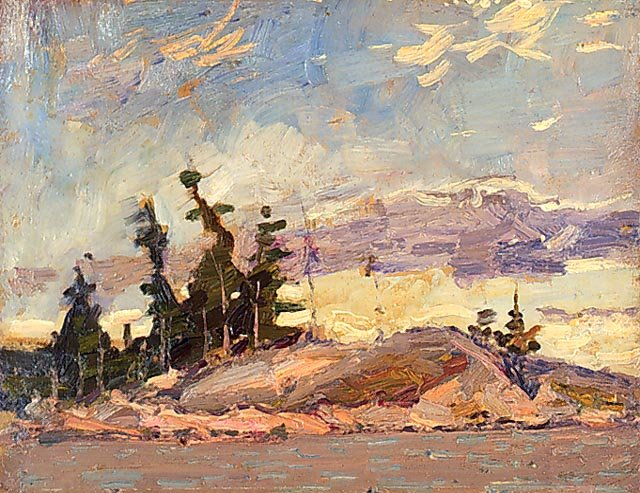
Bold and exaggerated techniques:
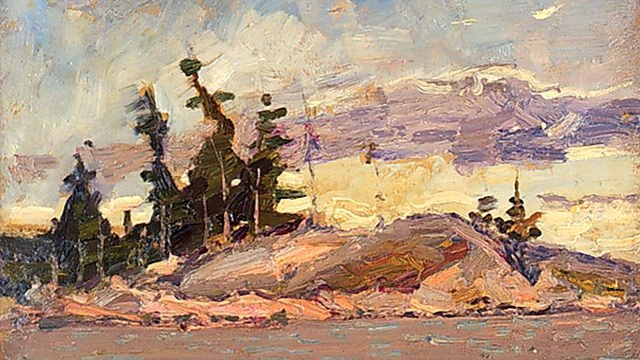
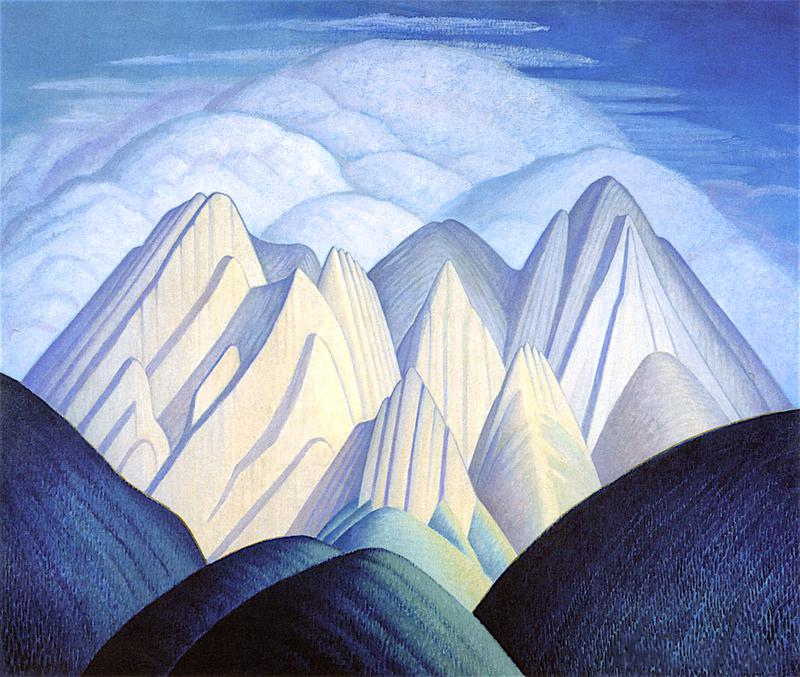
They use bold and exaggerated techniques to recreate the unique Canadian natural scenery with varied images, such as vast wilderness, vast forests, dense lakes and seas, and towering snow capped mountains.
Innovation in landscape painting:
The seven person group took inspiration from Canadian landscapes and created landscape paintings with distinct personalities and ethnic characteristics, promoting the development of Canada's largest ethnic art movement.
Direct contact with nature:
They believe that unique Canadian art can be developed through direct contact with nature, which is fully reflected in their works.
In terms of artistic achievements:
Representatives of ethnic art:
The seven person group was the first Canadian art group to actively discover Canada's primitive beauty, and their works and spirit encouraged later generations, becoming an important spiritual force for Canada's growth as an independent country.
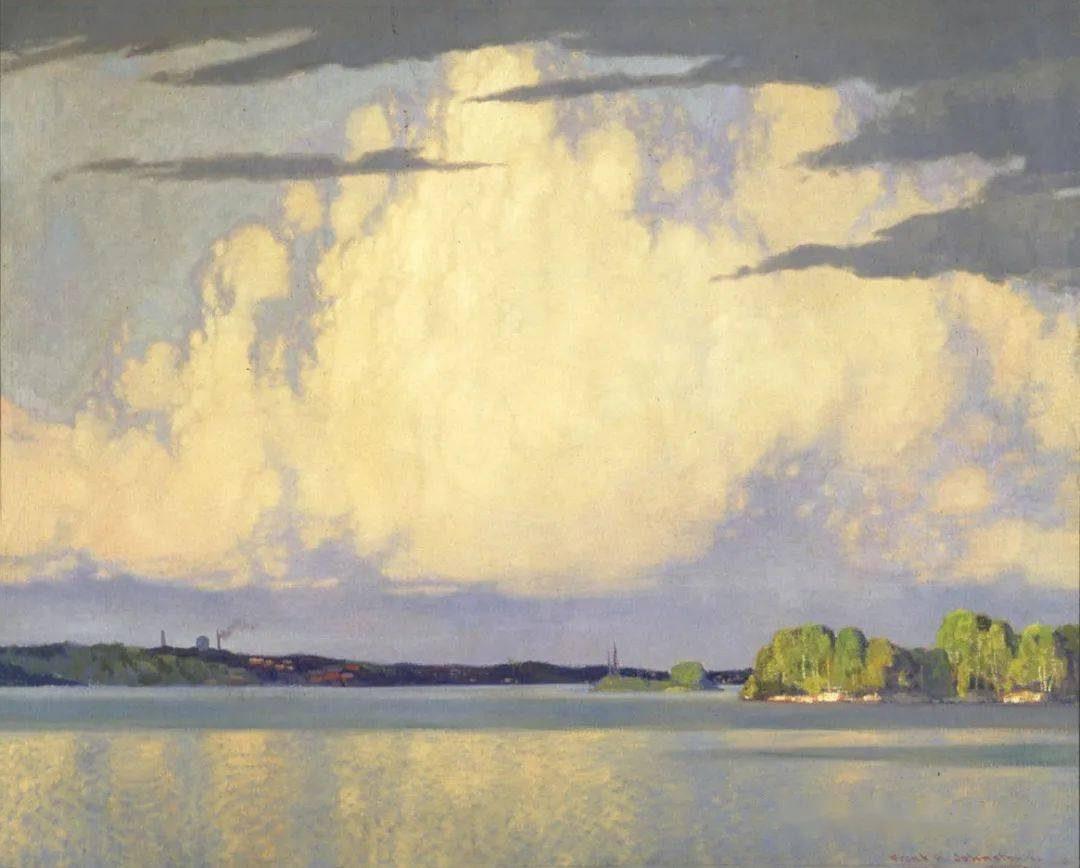
International recognition:
The works of the seven person group have received high praise both domestically and internationally. They not only hold exhibitions throughout Canada, but also expand the exhibitions to major European and American countries such as the United States and the United Kingdom, gaining audience recognition and spreading ethnic art.
Art Collection:
As early as 1921, the National Gallery of Canada began acquiring the works of the seven member group, and in 1924, the famous British art museum Tate Gallery also began collecting their works, making Canadian art one of the world's art.
The promotion of the art movement: The establishment and development of the seven member group propelled the rise of modernism in Canadian art and had a profound impact on later artists and the art movement.
The widespread dissemination of artistic works: Their works are not only highly respected in the art world, but also widely disseminated and collected through various media and forms, such as puzzles, becoming representatives of Canadian art.
The artistic achievements and stylistic features of the seven member group make them an important and iconic group in Canadian art history.
Main works of Canadian 7-member group members:
The members of the Canadian group of seven have created many outstanding works that reflect Canada's natural scenery and national spirit. Here is an overview of some members and some of their main works:
Lawren Stewart Harris
-North Shore, Lake Superior
-Isolation Peak, Rocky Mountains
-Harris's late works, especially his interest in spirituality, are reflected in his paintings of Lake Superior and the Rocky Mountains, which lose their structure and feel like dreams.
Franklin Carmichael
-A Muskoka Road (1915)
-Many of Carmichael's works demonstrate his efforts to achieve rich colors and designs, and he leans towards landscape art.
James Edward Hervey MacDonald
-MacDonald's works often depict the scenery of Highland Park and George's Bay in western Toronto.
Arthur Lismer
-Lismer's art emphasizes the moral and social importance of pure creative activities, and his works include "Quebec Countryside" (1925).
Frank Johnston
-Many of Johnston's works depict the Algoma region, and most of his paintings are watercolor paintings with meticulous techniques.
Alexander Young Jackson
-Jackson's "Red Maple Leaves" (1914) is one of his representative works.